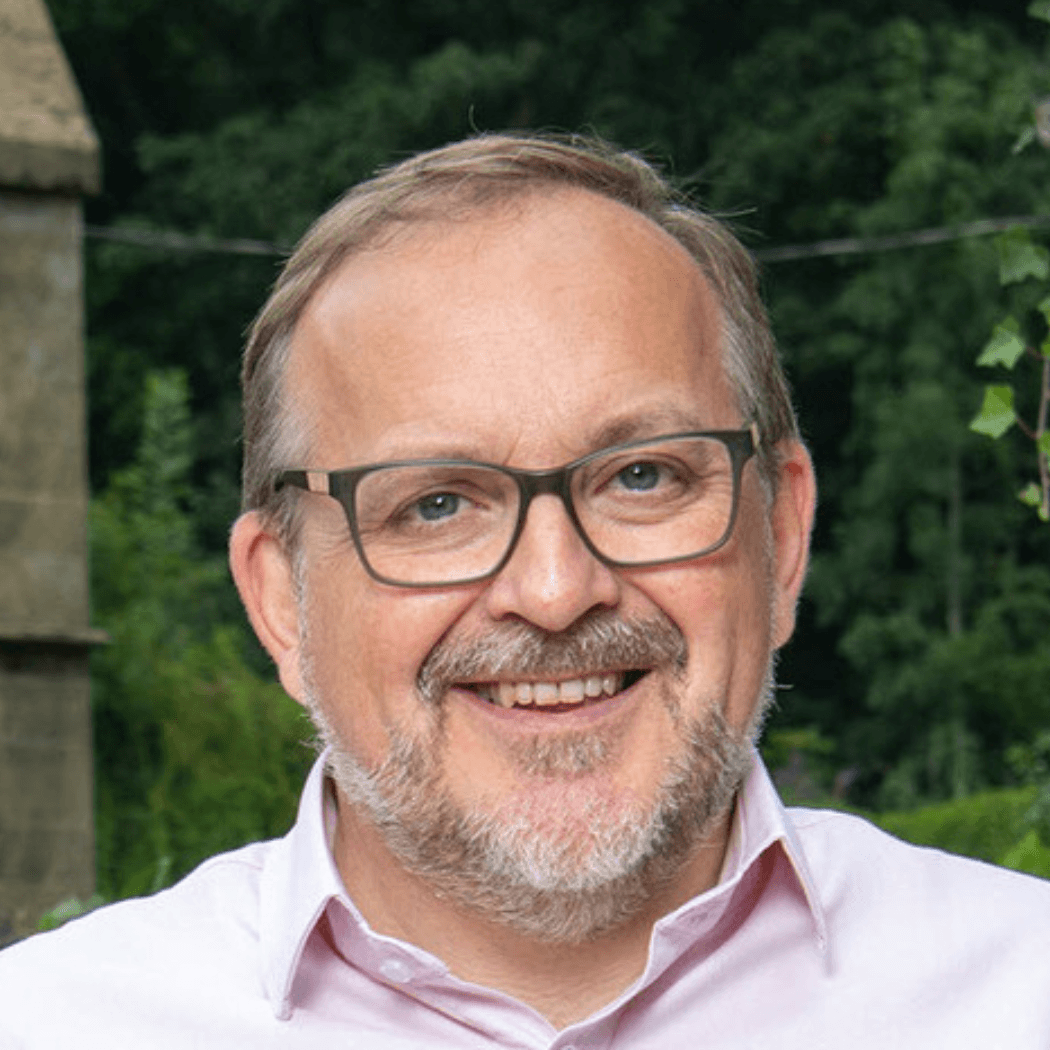
Chris Jelley
Chris is a technology leader with four decades of experience turning complex technical challenges into real-world impact. As CTO at Culture Shift, Chris bridges the gap between engineering excellence and organisational purpose, ensuring that every technical decision drives meaningful change for the organisations and people the platform serves. With a career spanning robotics, software development, international development, and health technology, Chris brings rare breadth and a deeply human perspective to the role of technology leadership.
In the spotlight
We put your burning questions to our Chief Technology Officer, Chris Jelley.
Chris, tell us about your career history and expertise
I've been in technology for 40 years, which still surprises me when I say it out loud. I left school at 15 and went straight into an engineering company building and managing robotics, so I've been hands-on with computers since day one. I did a lot of software development over the years, and while I've hung up my coding boots in any serious capacity, I know exactly what good code looks like, which means I can still challenge the development team when it counts.
What's really driven my career, though, isn't the technology itself, it's what technology can do for people. I lived in Uganda implementing technology in a developing country context. I've worked in sexual health, building platforms that help people navigate incredibly sensitive situations with dignity and discretion. I’ve also spent quite a lot of time working in the charity sector. The common thread is always: how does this make a real difference in someone's life?
What first attracted you to Culture Shift?
A few things. The mission is the obvious one, I've seen firsthand what culture-damaging behaviours do to people. Not just their performance at work, but their mental health, their sense of self-worth, their ability to feel heard. When organisations don't have the right mechanisms in place to surface and address those behaviours, people feel disempowered in a really profound way. Culture Shift exists to change that, and that matters to me enormously.
But I'm also drawn to organisations at a pivotal moment, where there's real work to be done and genuine transformation on the horizon. Getting an organisation to where it needs to be. When I spoke with Gemma early on, it was clear that Culture Shift was at exactly that kind of inflection point in its journey, and I found that genuinely exciting. There's plenty to get stuck into here, and that's exactly how I like it.
What does it mean to be Chief Technology Officer at Culture Shift?
At its core, it means being the bridge. We are, fundamentally, a technology business, so the relationship between the technical team and the rest of the organisation is everything. Get that wrong, and even brilliant engineering becomes irrelevant. One of the things I feel strongly about is that the "them and us" dynamic you sometimes see between tech and the business is almost always a communication problem, not a competence problem. Tech people speak a very specific language, and so do business people, and the CTO's job is translation.
It goes both ways, too. Sometimes my job is looking at a technically brilliant idea and saying, "Great, but we're not building it, because it's not what the business needs right now." And sometimes it's explaining to the business why we need to spend time on what looks like invisible work, the plumbing and scaffolding that keeps everything else standing. A good CTO has to be commercially literate as well as technically credible. You can't be one without the other.
What do you find most interesting about the tech-for-good space?
I think it gives the business a conscience, and I mean that as a genuine advantage, not just a nice-sounding idea. I've worked for plenty of organisations where the bottom line is the only line, where everything is about maximising value or hitting a revenue target. And getting people genuinely behind that? It's hard. It always is.
Tech for good changes that dynamic. When people understand the cause and feel connected to it, when they can see that their work is having a real impact on the world, something shifts. People want to do work that means something. That makes hiring better, it makes retention better, and it makes the culture of the organisation itself better.
What does the future look like at Culture Shift, and what are you most excited about?
We're at a really exciting stage. The foundations are solid, the platform is strong, and the next chapter is very much about scale. We can then use that learning to make the product sharper and better for everyone, including our existing customers.
What I'm particularly excited about is AI. The opportunity to embed AI thoughtfully into the platform, in ways that accelerate culture change, surface insights that humans might miss, and help organisations move faster toward meaningful transformation, that's a significant opportunity. We're well-placed to do it in a way that's responsible and genuinely useful, rather than just bolting something on because it's fashionable. The goal is to build something people get the most value out of, a platform so embedded with knowledge, learning, and experience that it becomes indispensable.
What
Chris
's
reading
Latest insights from the front lines of workplace culture.

5 Things Every FE Provider Should Do Under the New Ofsted Toolkit