The Employment Rights Act 2025
Workplace culture and compliance are undergoing the most significant overhaul in a generation. Following the Worker Protection Act 2023, the new Employment Rights Act 2025 (ERA) will drastically raise the legal bar for employers regarding workplace harassment. Expected to come into force in October 2026, the ERA mandates that employers must take "all reasonable steps" to prevent sexual harassment of their employees. This is no longer a tick-box exercise, it requires a proactive, "leave no stone unturned" approach to safeguard your workforce and your business.
What is changing? The shift to "All" Reasonable Steps
In October 2024, a preventative duty was introduced requiring employers to take "reasonable steps" to prevent sexual harassment. The ERA 2025 elevates this duty significantly. By requiring employers to take "all reasonable steps," the law aligns with the strict statutory defence for discrimination. If an Employment Tribunal identifies even a single potentially effective and reasonable preventative measure that your business failed to implement, you could be found in breach of this stringent duty.

%20(2).png)
The expansion of Third-Party harassment liability
Under the ERA 2025, an employer's duty to protect their staff extends beyond colleague-to-colleague interactions. Employers will be held explicitly liable for harassment committed by third parties - such as customers, clients, patients, or suppliers - if they fail to take all reasonable steps to prevent it. Crucially, this strict third-party liability is broad: it covers harassment relating to all protected characteristics (including race, disability, and sexual orientation), not just sexual harassment.
The end of "Gagging Clauses" & new Whistleblowing protections
The ERA 2025 ensures that a culture of silence is no longer legally enforceable:
NDAs Banned: Any provision in a Non-Disclosure Agreement (NDA) or settlement agreement that attempts to prevent a worker from disclosing allegations of harassment or discrimination will become legally void.
Whistleblowing Protection: From April 2026, reporting sexual harassment will explicitly qualify as a protected whistleblowing disclosure. This grants the reporter automatic protection from unfair dismissal and workplace detriment.
%20(1).png)
"They took the time to understand our requirements for navigating the new legislation on sexual harassment, designing a solution that has enabled us to ensure as a business, we can equip our people to mitigate unacceptable behaviours in the workplace effectively, and create an environment where everyone can feel safe, be themselves and thrive."

%20(1).png)
The true cost of non-compliance
Failing to meet this new legal threshold exposes your business to severe financial and reputational risks:
The 25% Compensation Uplift: If an employee succeeds in a sexual harassment claim and the tribunal finds you breached your preventative duty, they can uplift the total compensation awarded by up to 25%.
Uncapped Financial Exposure: Because compensation for discrimination and harassment is uncapped in the UK, a 25% multiplier can result in staggering financial liabilities, particularly for claims involving multiple forms of harassment.
EHRC Enforcement: The Equality and Human Rights Commission (EHRC) has the power to unilaterally investigate employers, issue public unlawful act notices, and seek court injunctions - even if no individual incident of harassment has been formally reported.


How to protect your people and your business
Compliance is an ongoing, objective test based on your organisation's specific size, resources, and risk profile. To prepare for the "all reasonable steps" threshold, you must act now by following the EHRC's recommended framework.
Conduct tailored risk assessments
Organisations must proactively identify situations where your staff are vulnerable to harassment (e.g., lone working, social events, customer-facing roles) and implement specific measures to mitigate these risks.
Overhaul your policies
Ensure you have a clear, easily accessible, and regularly updated standalone anti-harassment policy that explicitly addresses third-party interactions.
Reporting mechanisms
Create safe, confidential, and optionally anonymous channels for staff to report misconduct without fear of retaliation.
Deliver training
Move away from "tick-box" exercises. Provide regular, interactive training for all staff on what constitutes harassment, and specialised training for managers on how to effectively handle complaints.
Monitor and evaluate
Treat compliance as a dynamic process. Regularly audit your workplace culture through staff surveys, exit interviews, and complaint trend analysis to ensure your preventative steps are actually working.
Resources & toolkits
Practical guidance, templates, and support materials designed to help you improve reporting culture, strengthen processes, and meet expectations of the Employment Rights Act. Explore the full library here.
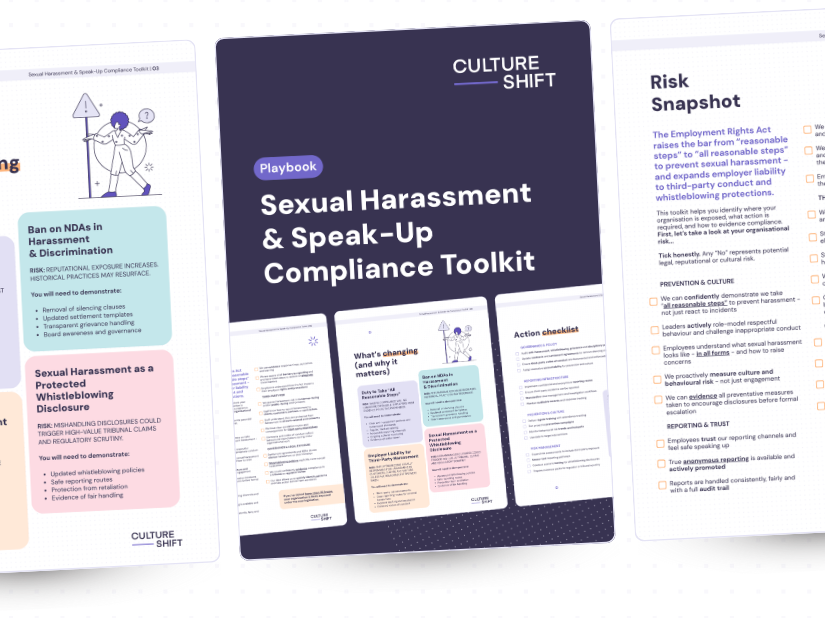
Sexual Harassment & Speak-Up Compliance Toolkit
The Employment Rights Act raises the bar from "reasonable steps" to "all reasonable steps" to prevent sexual harassment, extending liability to third-party conduct and strengthening whistleblowing protections. This toolkit helps you identify organisational exposure, take required action, and evidence compliance in practice.
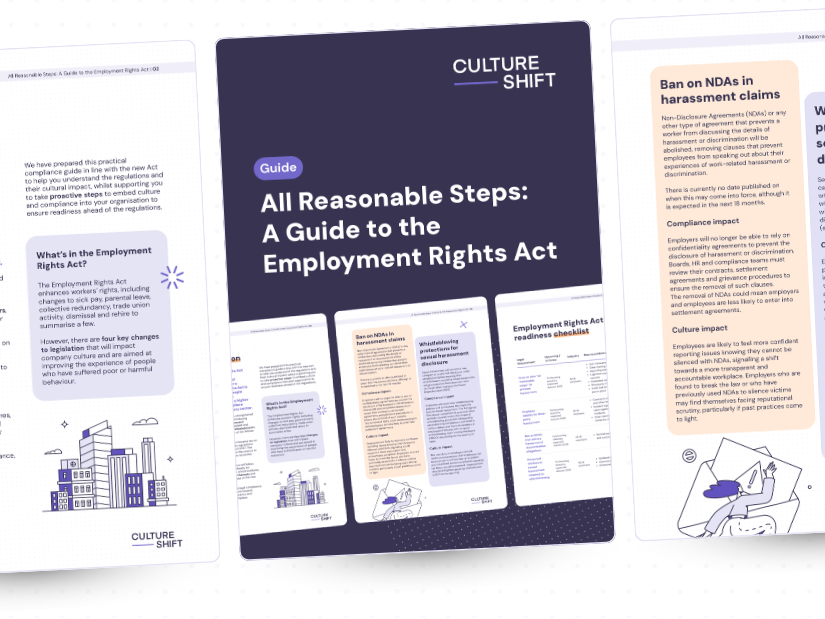
All Reasonable Steps: A Guide to the Employment Rights Act
The Employment Rights Act is one of the most significant UK workplace rights overhauls in over a decade, strengthening employer duties on harassment prevention, whistleblowing protection, and workplace accountability. This guide explains what the changes mean in practice and how organisations should prepare.
Evidence "all reasonable steps" with confidence
Report + Support™ gives you the infrastructure to identify risks early, capture concerns safely, manage cases consistently, and generate clear audit trails - so you can demonstrate compliance, not just claim it.
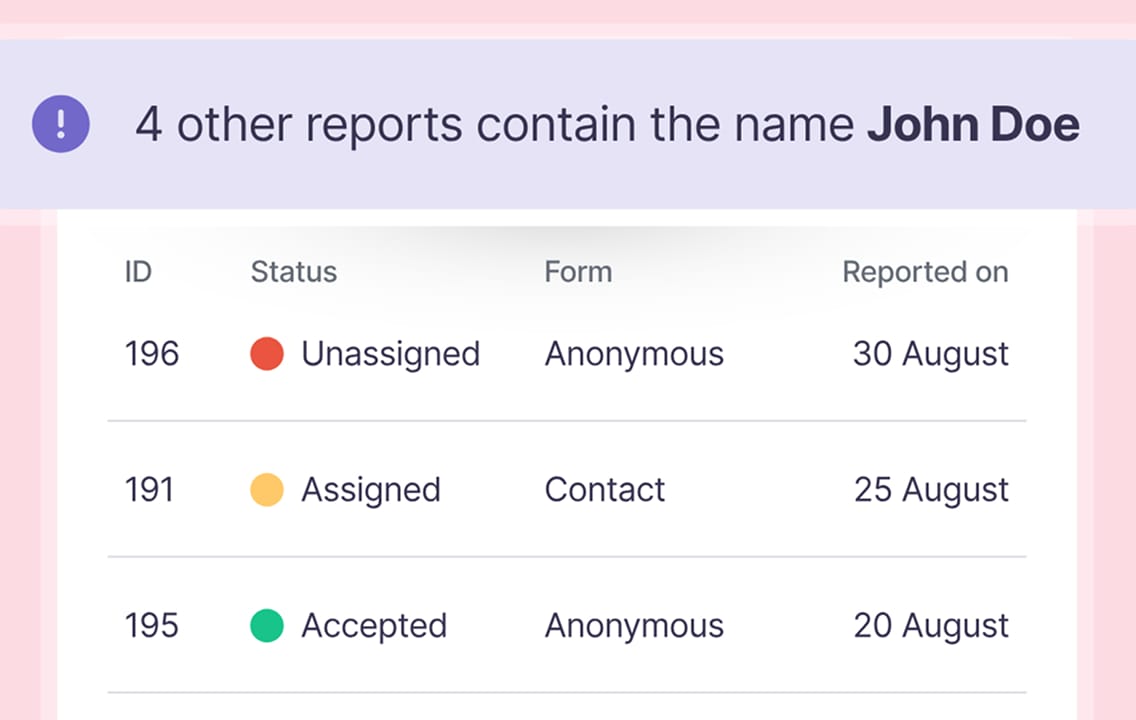
Name Matching
Automatically detect when the same individual appears across multiple reports. This helps identify repeat behaviours earlier and gives HR and compliance teams the evidence needed to take appropriate, informed action.
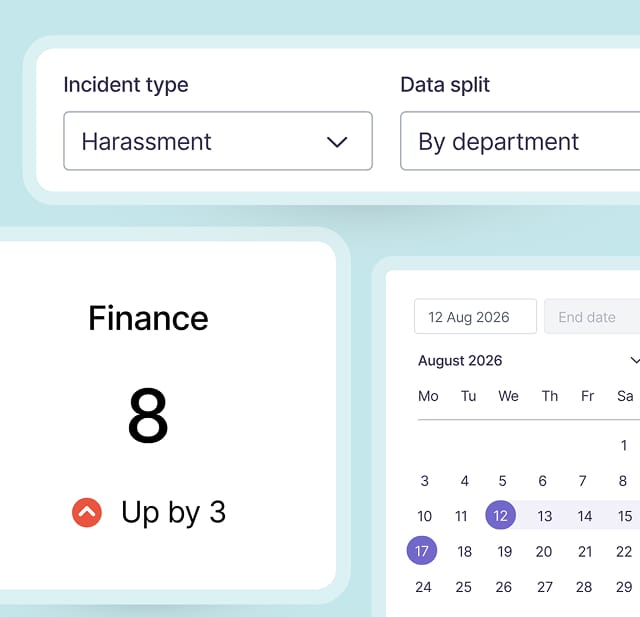
Hotspot Analysis
Quickly see where incidents are occurring most often across your organisation. Identify higher-risk teams, locations, or environments so you can focus preventative action where it will have the greatest impact.
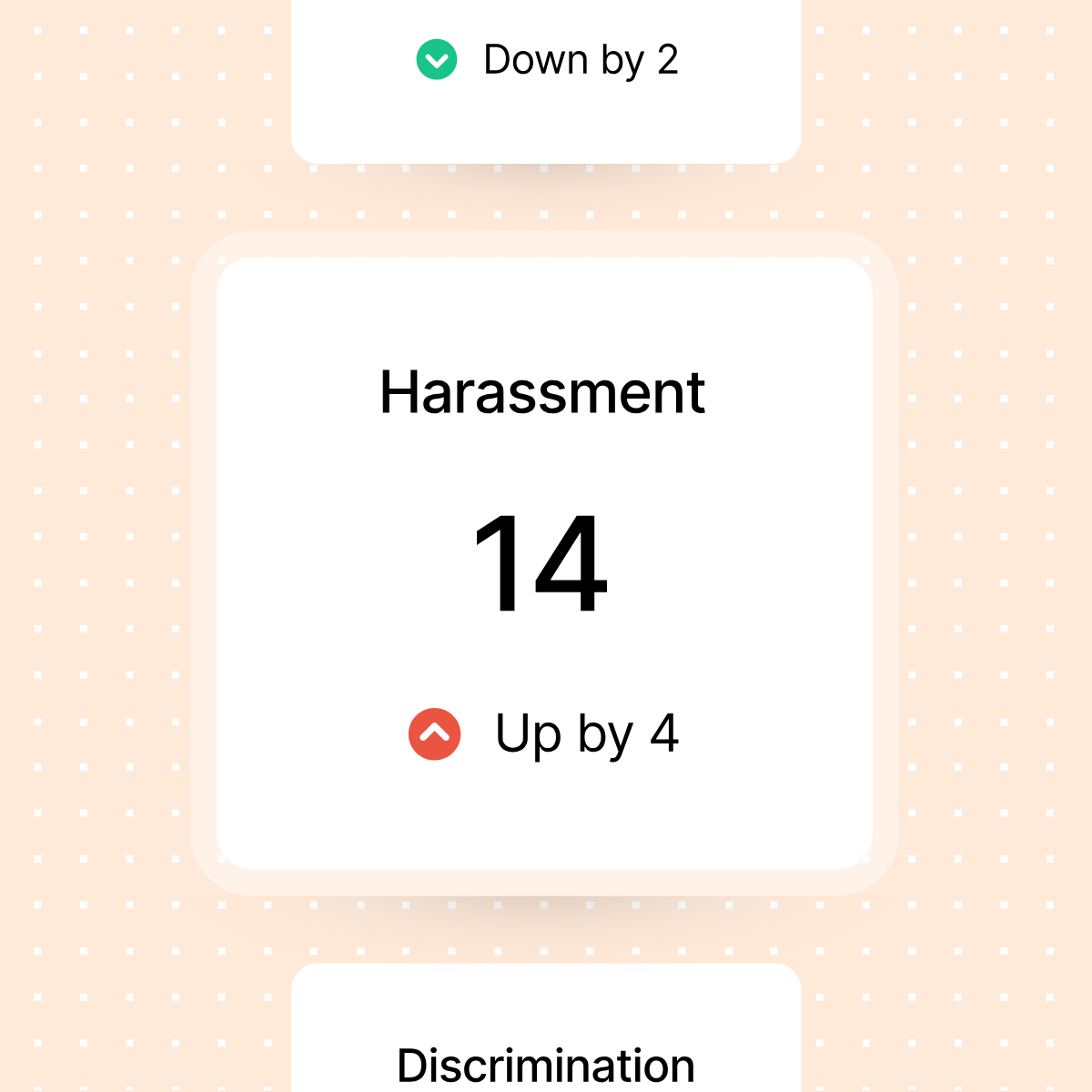
Behaviour Insights
Track patterns in bullying, harassment, discrimination, and other forms of misconduct. Understand how behaviours evolve over time and use the insight to inform culture initiatives and prevention strategies.

Your partner for compliance and culture change
Regulators won't just ask what you have in place, they'll ask what you've done. Book a demo to see how Culture Shift helps you evidence compliance, reduce legal exposure, and build a workplace where issues are prevented, not just managed.


FAQs
Questions about The Employment Rights Act? We've got answers.
The Employment Rights Act 2025 introduces a strengthened legal duty for employers to take all reasonable steps to prevent sexual harassment in the workplace. This significantly raises the bar on compliance, requiring organisations to move beyond policies and demonstrate proactive prevention. Employers must now show evidence of effective reporting channels, sexual harassment training, risk management, and case handling processes to reduce workplace harassment and protect employees.
Under the Employment Rights Act, "all reasonable steps" refers to the proactive measures employers must take to prevent sexual harassment before it occurs, not just respond after the fact. This includes implementing confidential reporting channels, delivering regular sexual harassment training, maintaining robust case management processes, and using data and insights to identify risk. Employers must be able to evidence these steps if challenged in an employment tribunal.
Culture Shift helps organisations evidence preventative action by creating a clear record of reporting, case handling, and organisational response. This supports compliance by demonstrating that concerns are captured, managed, and acted upon consistently, rather than handled informally or inconsistently across teams.
Anonymous reporting supports early disclosure of workplace harassment and is essential for building a speak up culture. Many employees are reluctant to report sexual harassment due to fear of retaliation, so providing anonymous reporting channels increases reporting rates and helps organisations identify issues sooner. This is a key expectation under the Employment Rights Act when demonstrating proactive prevention and risk management.
Effective case management software and processes are essential for handling harassment complaints consistently and compliantly. Employers must track investigations, document actions taken, and maintain clear audit trails. Under the Employment Rights Act, organisations need to evidence that every report of sexual harassment is managed fairly and thoroughly, making structured case management systems a critical part of compliance.
Yes, sexual harassment training is a key component of taking all reasonable steps under the Employment Rights Act. Training should be regular, relevant, and tailored to different roles, ensuring staff understand what constitutes harassment, how to report it, and how to respond appropriately. Without effective workplace harassment training, employers may struggle to demonstrate compliance.
Failure to comply with the Employment Rights Act can result in employment tribunal claims, financial penalties, and reputational damage. More importantly, employers may be unable to rely on a legal defence if they cannot prove they took all reasonable steps to prevent sexual harassment. Without training, reporting systems, and case management processes, organisations face significantly increased legal and cultural risk.
Still have questions?
Get clarity on what will actually work for your people and your compliance needs. We're here to help.