
Create safer campuses through early reporting and stronger student support
In higher education, student safety and staff conduct are closely linked to institutional reputation, safeguarding responsibilities, and duty of care obligations. Universities are expected to address issues such as sexual harassment, bullying, discrimination, hate incidents, and misconduct involving both students and staff, while demonstrating clear processes, transparency, and effective support pathways. Report + Support™ is the original student reporting system that helps higher education institutions capture concerns early, manage cases consistently, and build safer, more inclusive campus communities.
Encourage early reporting
Give students, staff, and researchers a safe, anonymous and accessible way to report concerns, helping institutions address issues before they escalate into harm, disengagement, or reputational impact.
Improve visibility and oversight
Real-time reporting provides insight into behavioural risks across departments, campuses, and student communities, supporting stronger safeguarding, pastoral support, and institutional accountability.

A structured approach to student safety and conduct
Managing safeguarding and conduct concerns in higher education requires clear processes, consistency, and trauma-informed handling across diverse student and staff populations. OfS Condition E6 reinforces the need for effective systems to report, record, and respond to harassment and sexual misconduct. Report + Support™ provides a centralised reporting and case management system that ensures every concern is captured, assessed, and managed appropriately, supporting both student wellbeing and regulatory compliance.
Anonymous and named reporting options to support safe disclosure for students and staff
Centralised case management to track concerns across departments, residences, and services
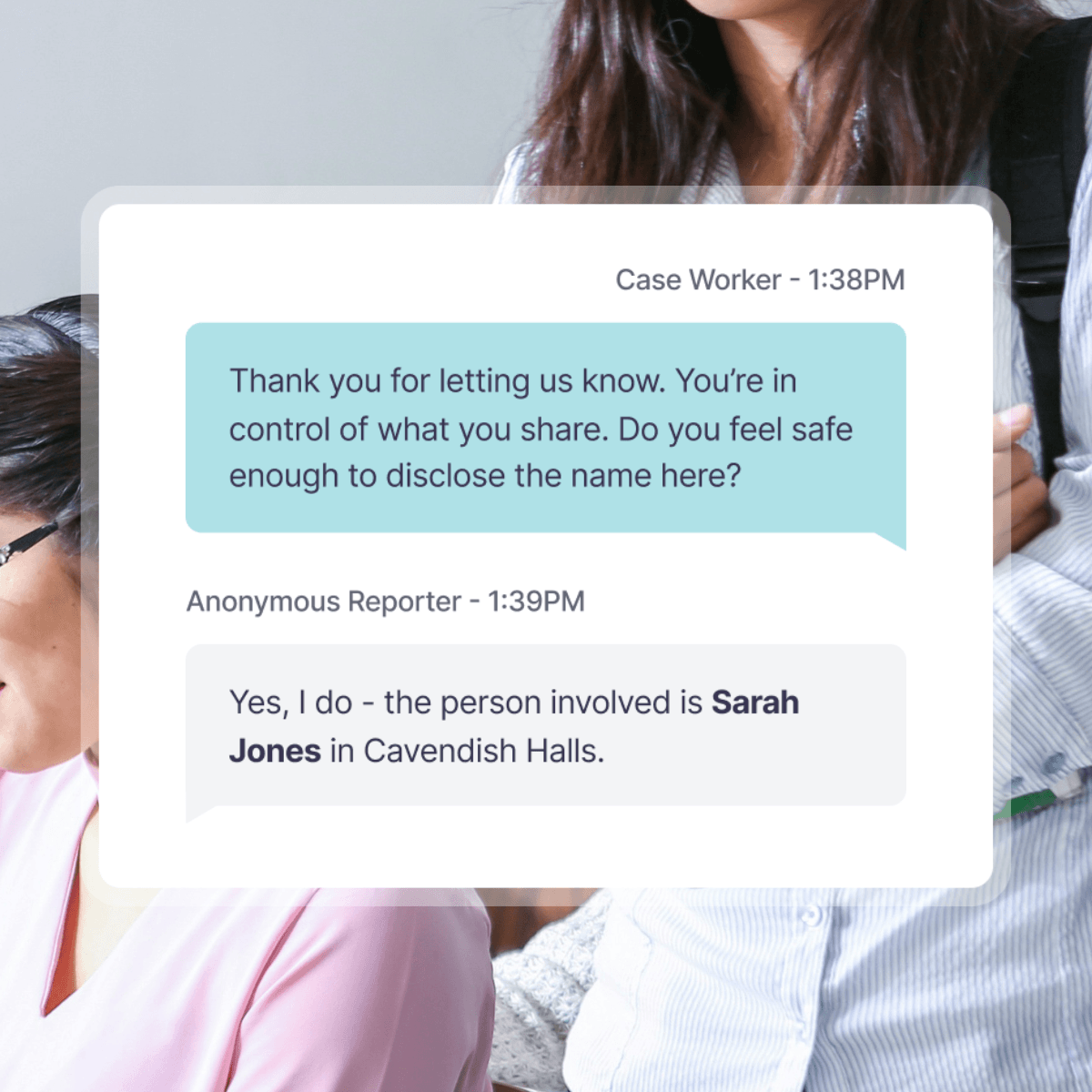
Two-way anonymous messaging to support sensitive disclosures and ongoing support
Report linking and pattern recognition to identify repeat behaviours and safeguarding risks
Alignment with safeguarding and student wellbeing frameworks through accessible reporting routes
Turn student insight into safer, more inclusive campuses
Higher education institutions must be able to demonstrate how they are identifying, managing, and preventing risks to student safety and wellbeing. Report + Support™ provides the data and insight needed to move from reactive case handling to proactive safeguarding and cultural improvement.
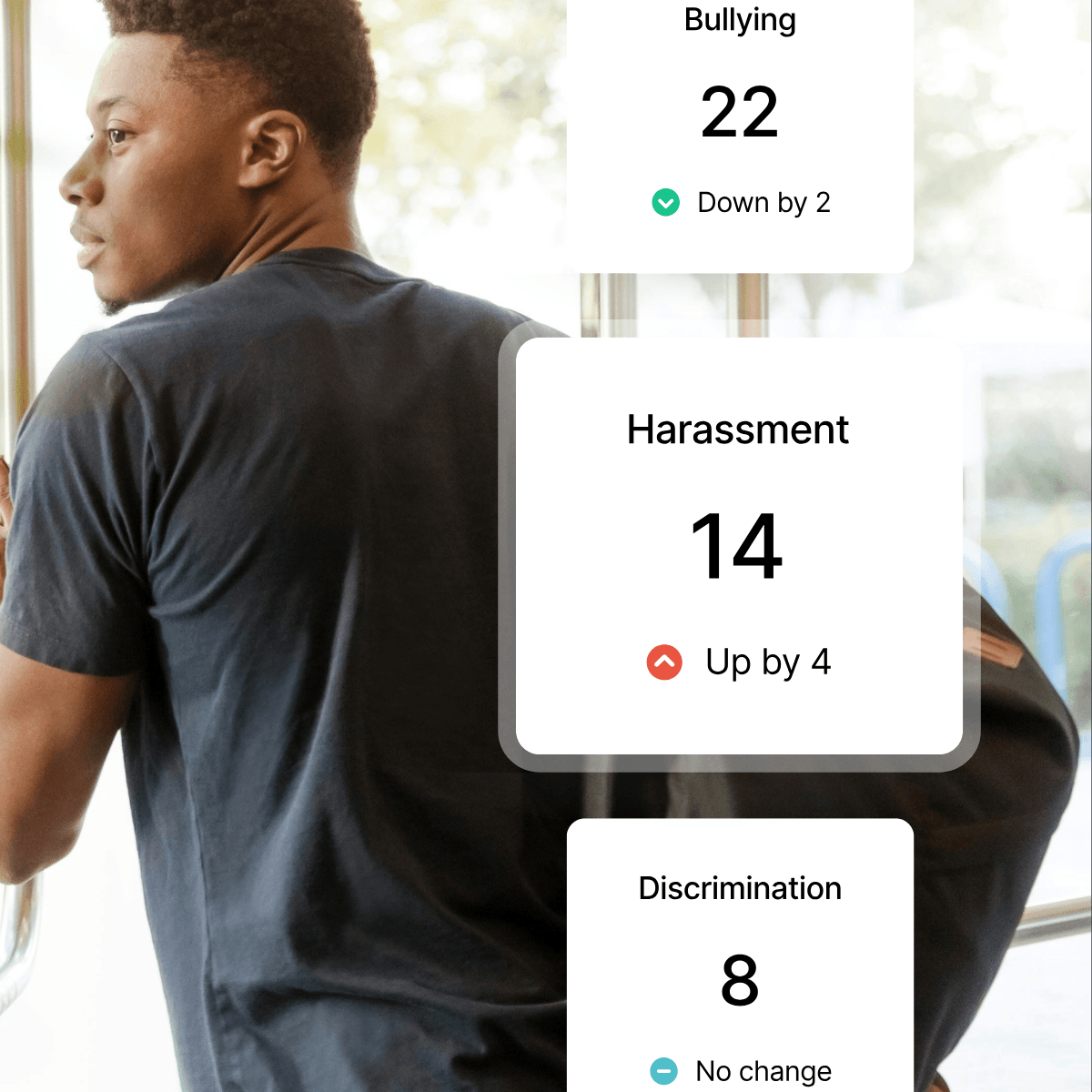
Aggregated reporting to identify trends across campuses, faculties, and student groups
Real-time dashboards to support safeguarding oversight and senior leadership reporting
Early-warning indicators to highlight emerging risks to student safety and wellbeing
Audit trails to evidence actions taken and support institutional accountability
Workforce and student intelligence to inform prevention strategies and policy development
What our customers say
Hear how universities and colleges are creating a safer, more open campus culture by giving students and staff the confidence to speak up - and the tools to act when it matters most.
"We were seeing trends that we were able to push up into committee structures and say - 'We know where our problems are. We know what our resourcing needs to look like.'"


"Report + Support™ has been an instrumental tool for us in terms of addressing barriers to reporting unwanted behaviours, as well as monitoring trends and collecting data insights to inform our preventative and response strategies."

"It is highly user‑friendly, intuitive to navigate, and continually evolving - actively streamlining and improving processes in response to community‑driven feedback."

"The thing I value most about the Report + Support system is that it's safe, it's secure, but also provides an avenue for you to seek support. Not only to report, but you can also ask for support through the system."

"It's enabled us to be really data driven. We know that the issues are there, but having that reporting tool where we can actually capture how many reports are coming in, the data on the different types of issues that are being experienced, we can obviously then amend and create our services with that in mind."



Key challenges in managing student safety and conduct in higher education
Higher education institutions face complex safeguarding and cultural challenges, where issues can affect both student wellbeing and staff-student interactions. Report + Support™ provides the structure, visibility, and evidence needed to manage these risks effectively.
Student safety
Issues such as sexual harassment, bullying, discrimination, and hate incidents can significantly impact student wellbeing, academic engagement, and retention. However, these concerns are often underreported. Report + Support™ enables safe, anonymous reporting and structured case management to encourage and ensure concerns are identified early and acted upon appropriately.
Underreporting
Students and staff may be reluctant to report concerns due to fear of not being believed, uncertainty about processes, or concerns about confidentiality. Report + Support™ addresses these fears by providing trusted, accessible, and anonymous reporting channels aligned with safeguarding expectations and sector guidance.
Evidencing safeguarding
Higher education institutions must demonstrate that they are taking appropriate steps to safeguard students and respond to concerns. Report + Support™ provides structured reporting routes, consistent case handling, and complete audit trails to evidence actions taken from report to resolution.
Complex cases
Safeguarding and conduct cases in universities can involve multiple parties, departments, and support services. Without a centralised system, visibility and consistency can be lost. Report + Support™ ensures concerns are managed in a structured way with clear oversight and accountability.
Campus-wide consistency
With large student populations, multiple campuses, and diverse services, inconsistent handling of concerns can undermine trust. Report + Support™ standardises reporting and case management across the institution, ensuring fairness and consistency in how concerns are addressed.
Higher Education resources
Practical guidance, templates, and support materials designed to help you improve reporting culture, strengthen processes, and meet evolving compliance expectations. Explore the full library here.
.png)
Exceeding Regulation: Office for Students (OfS) Condition E6
The Office for Students (OfS) Condition E6 sets clear regulatory requirements for Higher Education providers to prevent and respond to harassment and sexual misconduct. This guide explains what Condition E6 requires in practice, where institutions are most exposed, and how to move beyond minimum standards towards meaningful cultural change.
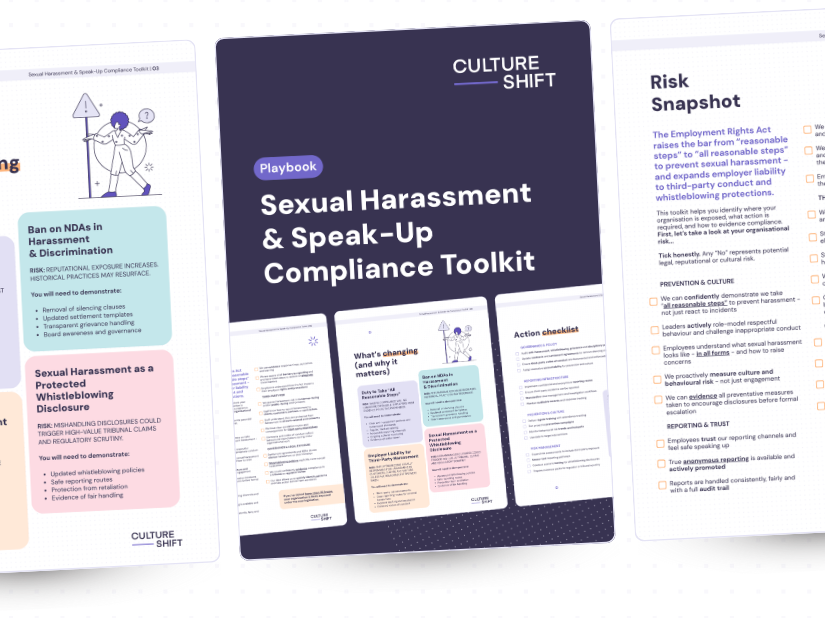
Sexual Harassment & Speak-Up Compliance Toolkit
The Employment Rights Act raises the bar from "reasonable steps" to "all reasonable steps" to prevent sexual harassment, extending liability to third-party conduct and strengthening whistleblowing protections. This toolkit helps you identify organisational exposure, take required action, and evidence compliance in practice.


Training Academy
Our Training Academy delivers practical, evidence-based training tailored to higher education environments, helping staff, student support teams, and leaders recognise, prevent, and respond to safeguarding concerns and inappropriate behaviour. Strengthen your speak-up culture, improve student safety outcomes, and ensure your institution is equipped to meet evolving expectations around wellbeing, safeguarding, and campus conduct.


FAQs
Questions? We've got answers.
Universities improve student reporting by providing clear, trusted reporting systems that allow students to raise concerns about behaviour, safety, or wellbeing confidentially and without barriers. These systems must be accessible, well communicated, and supported by visible action so students understand that concerns lead to meaningful response. This is also a key expectation under OfS Condition E6, which requires providers to have effective processes for handling incidents of harassment and sexual misconduct, helping ensure issues are identified earlier and addressed appropriately.
Universities encourage reporting of harassment and discrimination by offering simple, accessible, and confidential reporting routes, including anonymous options where appropriate. Clear communication about what happens after a report is submitted is essential to building trust and increasing disclosure. This supports compliance with OfS Condition E6, which expects institutions to provide effective mechanisms for reporting and responding to harassment and sexual misconduct, helping ensure issues affecting student safety and inclusion are properly addressed.
Universities manage safeguarding concerns by using centralised reporting systems that bring together concerns from across campuses, accommodation, academic departments, and student services. This allows safeguarding teams to track issues in one place rather than relying on fragmented reports from different parts of the institution. It improves oversight of student wellbeing risks and helps ensure consistent and timely responses across large and complex student populations.
Universities identify patterns of risk by analysing reporting data to detect repeated concerns, clusters of incidents, or trends across specific cohorts, courses, or locations. Centralised reporting systems make it easier to see whether individual incidents are isolated or part of a wider behavioural or wellbeing issue. This enables earlier intervention and more targeted support for at-risk student groups.
Universities ensure fair handling by applying consistent processes for reviewing, investigating, and resolving all student concerns. Structured case management systems help ensure that similar issues are treated in the same way, regardless of who raises them or where they occur within the institution. This improves transparency, builds trust in reporting systems, and supports compliance with internal safeguarding and student conduct policies.
Higher education institutions improve oversight by using reporting dashboards that provide visibility of student concerns, safeguarding issues, misconduct incidents and behavioural trends across the university. This allows senior leaders and safeguarding teams to monitor emerging risks in real time and understand where additional support or intervention may be needed. Stronger visibility and oversight supports safer campuses and more effective management of student wellbeing risks.
Universities can respond more effectively by using early reporting data to identify warning signs of harm, distress, or concerning behaviour before issues escalate. This includes monitoring repeated concerns, changes in reporting patterns, or signals across different parts of the student experience. Earlier identification allows universities to intervene sooner, provide support, prevent recurring behaviour, and reduce the likelihood of escalation into serious safeguarding incidents.
Still have questions?
The ever-changing regulatory landscape can be tricky to navigate - we're here to guide you through what your institution needs to do to stay compliant and protect your people.