Causes, effects, & solutions for inequality in the workplace
.png)
Workplace inequality vs. inequity
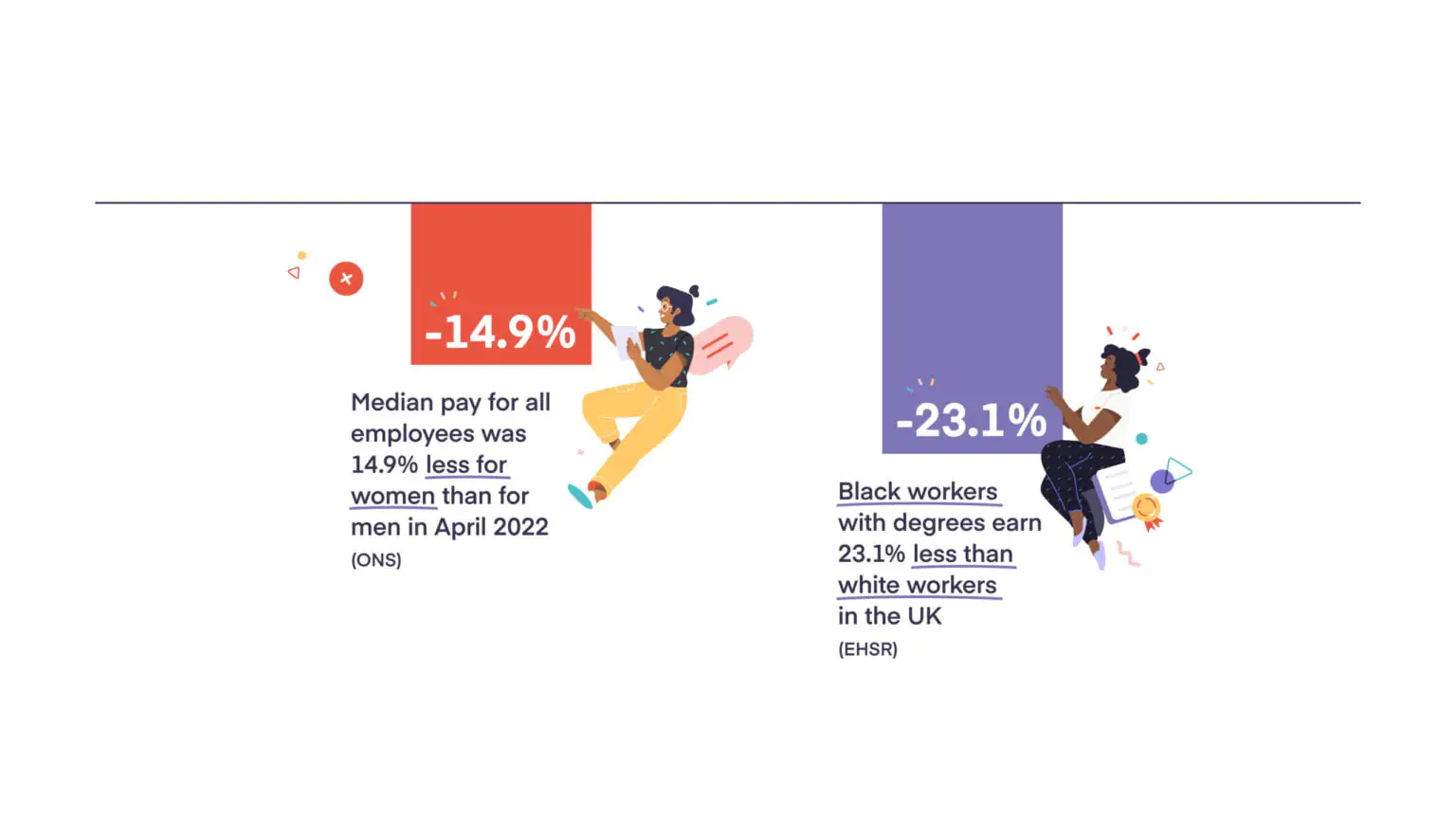
Workplace inequality is when people from different backgrounds or with different protected characteristics are treated differently. Inequity on the other hand, is when certain groups of people face outcomes because of inequality, such as unconscious bias, pay gaps, disparity in promotions or fewer opportunities, increased incidents of bullying, discrimination and harassment, and higher rates of burnout.
Research shows that workplace inequality and inequity is, in many circumstances, a reflection of society, where minority groups regularly encounter racism, sexism and other forms of discrimination and face hardships in other areas outside of work such as education, healthcare and housing.
The causes of inequality and inequity in the workplace
When inequality and inequity are happening in society, the ideas and structures that essentially elevate some people above others can be brought into the workplace. This can be when an organisation is initially founded and run entirely by one group of people who share one or more of the same aspects of identity, meaning those who come after them and in lower levels of the business will either be like them or if not, not on the same level of seniority, etc.
In other cases, other factors could stem from the way the organisation is run that might impact different people. Examples include a lack of flexible working hours that do not favour working parents, having job descriptions that require certain degrees or levels of education which exclude people from some socio-economic and educational backgrounds, or failing to address problematic behaviours that have been identified in the workplace and are passed off as “just how things are” or “banter”, but in fact more often than not stem from systemic and institutional injustices.
Addressing workplace inequality and inequity
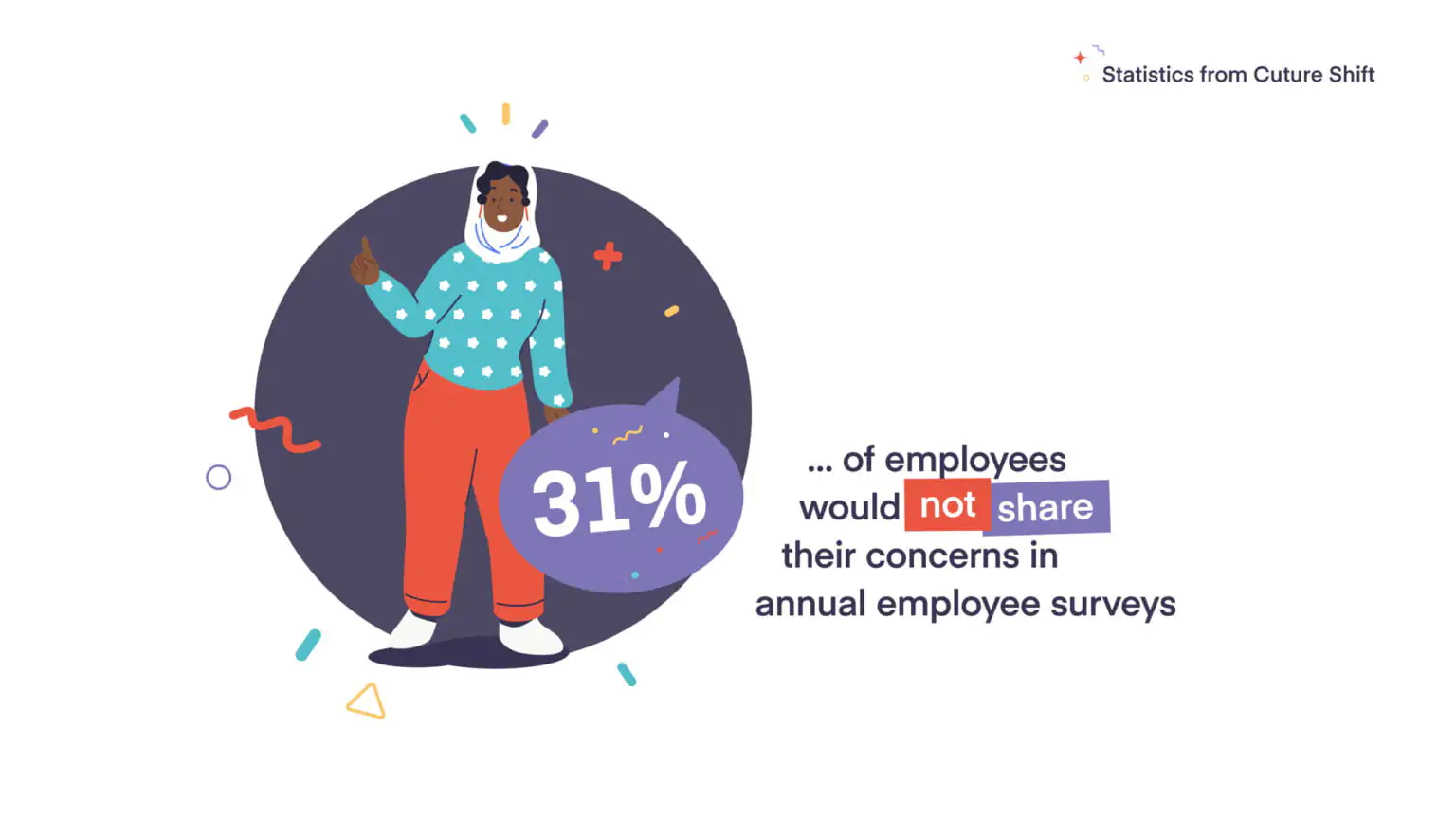
Often, some organisations won’t be aware of inequalities and inequities happening if they are not obvious or being raised. But many should not have to wait until they are and proactively seeing if they are present. This can be done through reviewing and publishing gender and ethnicity pay gaps, reviewing your hiring process to see how diverse both the hiring panel and the talent pool are that you are choosing from, or conducting diversity monitoring and feedback forms (though be mindful that 31% of people would not share their concerns in annual employee surveys). For example, if females only make up 10% of your company’s gender makeup or ethnic minorities only account for 5% of everyone, these are far below the national average, even for many male or White-dominated industries.
Being transparent about the above is advisable too – admitting when you are below where you want to be and laying out your plans to improve in areas shows honesty and progress.
How to deal with inequality and inequity in the workplace

Through Culture Shift’s anonymous reporting system, you can deal with issues of workplace inequality and inequity that may arise using a number of different actions, for example:
- A report about facing sex discrimination could lead to you reviewing your company’s gender split and gender pay gap as well as how a specific gender may be benefiting more in career progression than others
- A report about racial harassment could mean employees need training on anti-racism and micro-aggressions or incivilities and your policies are not clear enough on anti-harassment or easily accessible to everyone
- A report on feeling burnout from being overworked could be addressed by reviewing how you support employees’ mental health and wellbeing and improving the benefits you offer
- An increase in reports of bullying from senior employees towards junior employees may unearth issues of inequity across different levels of the business and therefore require conversations with specific people within it
Others include:
- Running awareness campaigns
- Sending out resources or support articles on particular issues
- Signposting people to other places they can receive outside support
- Providing forums and safe spaces or ERGs for underrepresented employees
- Making procedures regarding the handling of formal grievances more thorough and fair as well as consequences more severe and defined
- Ensuring policies and procedures are followed by everyone in the business, no matter who they are
- Using the data to be more transparent about the progress you want to make to improve your company’s culture
Reducing inequality and inequity in the workplace
The road to improving equality, equity, diversity and inclusion at work is challenging and ongoing, but organisations should not lose sight of targets that they may want to achieve. Many are working towards an even split between genders and looking to at least meet the national average when it comes to ethnic minority employees, as well as implementing more diversity and inclusion initiatives. And with a system such as Report + Support that allows them to track and deal with real-time incidents that could be because of inequality or inequity, they can make sure they are continuing to strive for a better and more equitable culture with equal opportunities for everyone.
What we're reading
Latest insights from the front lines of workplace culture.

5 Things Every FE Provider Should Do Under the New Ofsted Toolkit
Ofsted's new FE toolkit grades inclusion separately. Colchester Institute's Stefan Jordan shares five steps to evidence impact and prepare for inspection.



Feeling inspired?
Take the first step toward preventative misconduct management with a demo of our Report + Support™ platform. We can show you how to breakdown reporting barriers with anonymous 2-way messaging, and how to act before things escalate with name-matching and pattern-spotting across our analytics dashboard.