How to reduce the risk of burnout amongst ED&I professionals
%20(1).png)
“I’m feeling burned out.”
That was the most consistent answer given by more than 100 ED&I leaders when asked how they were doing.

Are you an employer with an ED&I person or team or do you have someone whose main job isn’t that but still does it? If so, do you understand the burden they are potentially carrying within their jobs?
We’ve also met many ED&I professionals who are responsible for the Wellbeing and Culture aspects of their organisation as well as those who have told us of the resistance they know they’ll face when it comes to wanting to make changes and introduce new things. So how can you better support them in all those areas and reduce the burnout they might face?
In 2021, 76% of organisations still hadn’t set diversity goals. This and further research shows that ED&I still needs to be more intentional and integrated into the business. And it means ED&I professionals’ expertise and ideas need to be valued, without relying on them to just boost diversity in the organisation or draw on their lived experiences. Because while many of them do come from minoritised backgrounds, being expected to do all the work on their own and to speak for ALL minority groups within your organisation is both unfair and unrealistic.
Don’t just make diversity and inclusion a tick-box exercise and don’t make your ED&I people token hires.
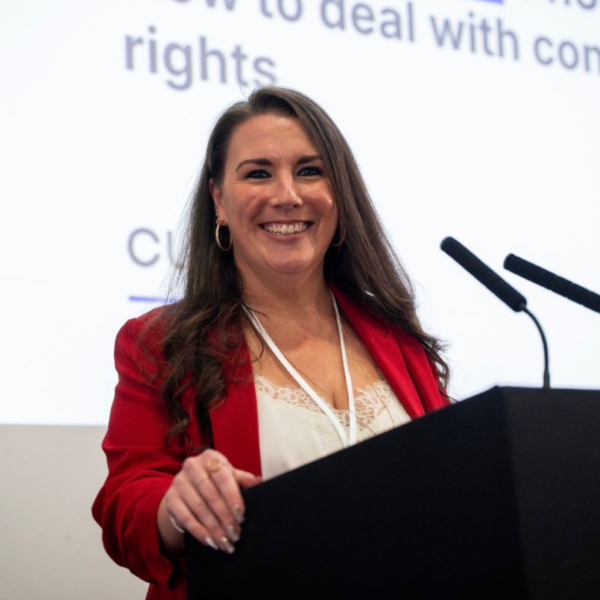
Our Chief of Staff, Emily Abbott – who has several years experience working in senior leadership and business operational roles – talked about the importance of staff wellbeing and support, ensuring it comes from the top and these professionals who work in inclusion are included in business decision-making (not just HR!), and that an ED&I strategy is implemented properly as a living and breathing document to be able to truly work for everyone.
What we're reading
Latest insights from the front lines of workplace culture.

5 Things Every FE Provider Should Do Under the New Ofsted Toolkit
Ofsted's new FE toolkit grades inclusion separately. Colchester Institute's Stefan Jordan shares five steps to evidence impact and prepare for inspection.



Feeling inspired?
Take the first step toward preventative misconduct management with a demo of our Report + Support™ platform. We can show you how to breakdown reporting barriers with anonymous 2-way messaging, and how to act before things escalate with name-matching and pattern-spotting across our analytics dashboard.