How to become a leader in HR data

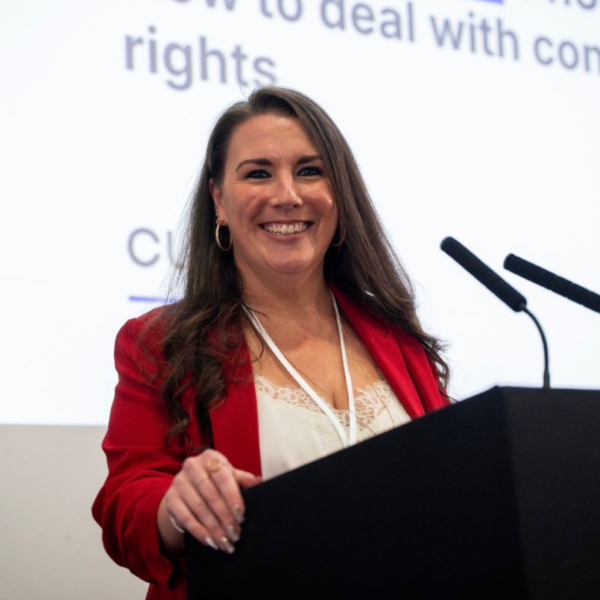
Watch our latest webinar to find out how to become a leader in HR data.
Data is important, we know we need to collect it, but less significance is put on making sure it’s collected in the right way, so it’s no longer part of a bureaucratic HR system, but is part of utilising HR for good. But we believe data enables HR leaders to move beyond a statement, and turn policies into action.
During this webinar we talk about what happens when we don’t collect data and how this results in issues we cannot see and therefore change, and on the flipside we’ll talk about when you do collect data, how you can use it to form conclusions and make things better for everyone.
This isn’t about seeing data collection as a tick-box exercise… It’s about going above and beyond what you must do by highlighting what you could do to be a real changemaker in this area.
Finally we will touch on how you can use this information in the right way to drive wider societal change, and be as transparent as possible as an organisation, leading by example by making the data you do have public (for example your gender pay gap data.)
If you find this webinar useful and want to know what expertise Culture Shift has to help you become a better HR leader by giving your team a voice then please get in touch for a demo of the system.
What we're reading
Latest insights from the front lines of workplace culture.

5 Things Every FE Provider Should Do Under the New Ofsted Toolkit
Ofsted's new FE toolkit grades inclusion separately. Colchester Institute's Stefan Jordan shares five steps to evidence impact and prepare for inspection.



Feeling inspired?
Take the first step toward preventative misconduct management with a demo of our Report + Support™ platform. We can show you how to breakdown reporting barriers with anonymous 2-way messaging, and how to act before things escalate with name-matching and pattern-spotting across our analytics dashboard.