How ED&I and HR leaders can work together to improve people processes

Were you aware that:
- Organisations with inclusive cultures are 8x more likely to achieve better business outcomes? (Deloitte)
- Employees who do not believe their workplace is committed to D&I are 3x more likely to leave? (Deloitte)
- 72% of job seekers value a diverse workforce as an important factor in selecting an employer? (Glassdoor)
- 36% of employees say that an incident of problematic behaviour at work has led them to not trusting their employer (Culture Shift)
Do you work in HR and are looking at ways in which you can implement ED&I (Equity, Diversity and Inclusion) into your people processes? Or are you an ED&I professional finding it hard to help HR integrate strategies?
ED&I is not just a HR issue, but a strategic initiative that should be embedded across every area of an organisation. HR and ED&I leaders shouldn’t approach this work alone, but should work together on the business case for ED&I and push the business forward.
In this webinar we be talked to three panellists from both sides of the coin, each with experience in either implementing ED&I from a HR perspective or working directly with HR from an ED&I perspective on ways they’ve helped change the often negative perception of HR, made sure both functions work together but are also still separate for different purposes, and helped create a positive and inclusive workplace culture for everyone. Watch the webinar in full below:
Our speakers
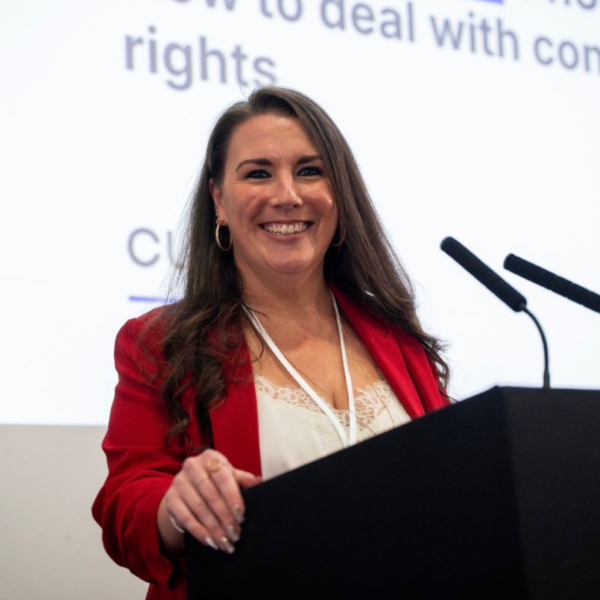
Vicki Baars, Culture Shift’s Head of Culture Transformation
Kate Norton, Group People and Talent Director at Praetura Group
A recognised and highly experienced HR professional, Kate has worked across numerous industries and sectors and continues to offer HR support to Praetura Ventures portfolio companies as well as internally. Prior to joining Praetura Group, Kate held senior roles at a host of leading companies including B&Q and Auto Trader.
Kombo Magara, Senior People Partner at SafetyCulture
SafetyCulture is a global technology organisation that puts the power of continuous improvement into everyone’s hands. With over 12 years generalist HR experience across Government, Public, Private and Start Up organisations Kombo has a passion for building and developing impactful relationships to improve employee experience and organisational impact.
Justina Omotayo, Diversity and Inclusion Manager at Slaughter and May
Justina is a diversity and inclusion professional with over twelve years’ experience within the professional services sector, she is highly attuned to the partnership environment and understands the importance of reputation, relationships and revenue. She is currently Diversity and Inclusion Manager in the Responsible Business Team at Slaughter and May where she is responsible for developing, implementing and driving the firm’s D&I strategy, she also seeks ways to collaborate with clients on D&I to affect sustainable change across the legal profession.
Justina is passionate about diversity and inclusion and a regular speaker on the topic with the ability to empower individuals, connect with internal and external stakeholders at all levels to build strong and influential relationships. In 2021, for the second consecutive year, Justina was listed on the EMpower Top 100 Ethnic Minority Future Leaders List and in 2022 listed on the Top 20 Ethnically Diverse Global Women Role Models. She currently sits on the board as a director of the Black Solicitors Network.
What we're reading
Latest insights from the front lines of workplace culture.

5 Things Every FE Provider Should Do Under the New Ofsted Toolkit
Ofsted's new FE toolkit grades inclusion separately. Colchester Institute's Stefan Jordan shares five steps to evidence impact and prepare for inspection.



Feeling inspired?
Take the first step toward preventative misconduct management with a demo of our Report + Support™ platform. We can show you how to breakdown reporting barriers with anonymous 2-way messaging, and how to act before things escalate with name-matching and pattern-spotting across our analytics dashboard.